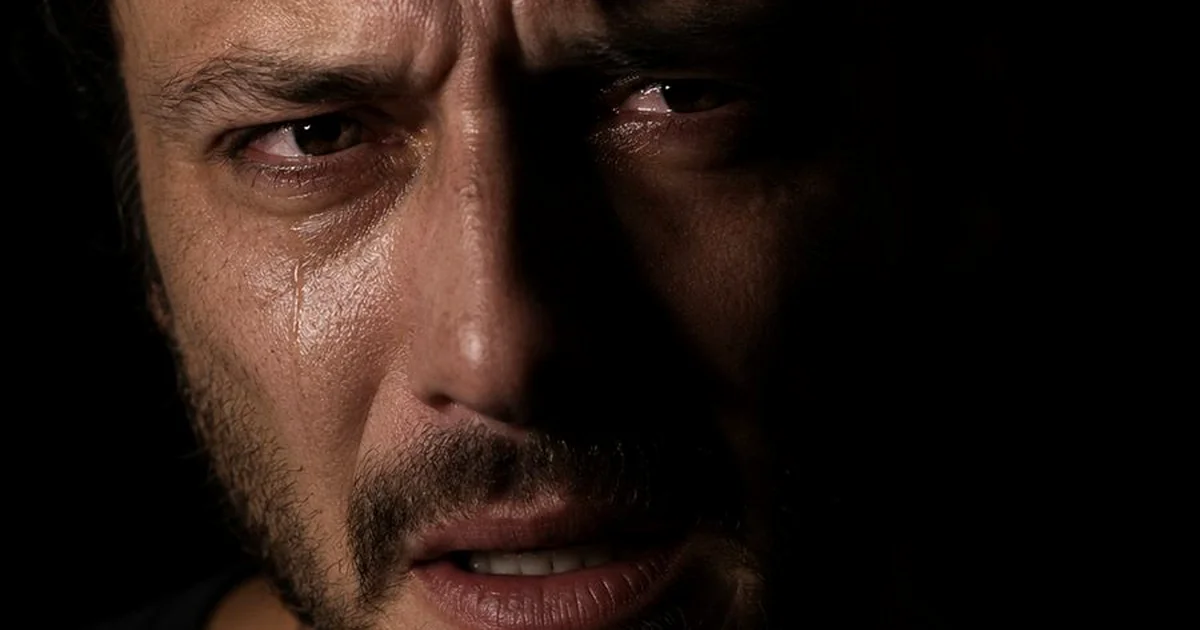
Crying scenes, intense confrontations or emotionally wrenching moments are the ones actors fear most in castings. Not because they are impossible, but because they require a different kind of preparation from neutral dialogue scenes.
Why forcing techniques don't work
Trying to cry by thinking about something sad or forcing your breathing disconnects the actor from the scene: while you try to bring on the tears, you have stopped listening to the other character. The emotions that convince a director are not the most spectacular ones but the truest. And truth comes from being completely present in the character's situation.
Prior preparation: building the character's life
A scene of intense emotion begins much earlier, in the table work. Before rehearsing, answer:
- What has this character lost before the scene begins?
- What are they trying to control that they cannot control?
- What are they saying that they cannot say directly?
- What do they want from the person they are with?
When these answers are concrete, the emotion has soil to grow in.
The action objective as a generator of emotion
Let casting directors find you
Your talent needs visibility. Create your professional profile on Arga Studios and show up in the searches of those who hire. Free until October 2026.
Create my free profile →The most common mistake is trying to “act the emotion” instead of pursuing the character's objective. Intense emotion is the consequence of a blocked action. The frustration and helplessness of not getting something you urgently need generates real emotion without any need to force it.
In-the-moment preparation techniques
- Music: A specific song that connects you with the character's emotional state, listened to on headphones right before the take.
- Given circumstances: Mentally review the character's situation with all its specific details.
- Pre-take physical action: Some actors use intense physical movement to raise their state of activation. Others prefer stillness and concentration.
Managing your state between takes
There are two schools of thought: staying in the state between takes (which takes experience so as not to burn out) or stepping out and coming back (more energy-efficient but demanding greater command of emotional access). Both work; the choice depends on your training and the character.
In castings: The director does not necessarily expect tears. They want the actor to understand the situation and for something genuine to happen. A contained, truthful emotion is more convincing than a technically perfect but empty cry.
Emotional memory or imagination: two valid paths
There are two main routes to reaching emotion, and it is worth knowing both. Emotional memory, associated with Stanislavski's work and developed by Lee Strasberg, draws on your own memories to activate the state. The path of imagination and listening, linked to Sanford Meisner, prioritises truly living what is happening with your scene partner. Neither is better than the other: many performers combine the two depending on the moment and the character. What matters is that the trigger is reliable and repeatable take after take.
Mistakes that pull you out of the emotion
- Anticipating the tears instead of letting them appear as a consequence.
- Watching yourself from the outside («can people tell?») instead of following the character's objective.
- Arriving at the take without having reviewed the given circumstances.
- Wanting to repeat exactly the emotion from the previous take, instead of finding it fresh again.
Look after your emotional health when playing pain
Accessing intense states repeatedly takes its toll if it isn't managed. After a day of demanding scenes it's worth decompressing: a simple ritual to close the character, separate your life from theirs, and return to your usual state. Taking the character's pain home with you doesn't make you a better actor; it exhausts you. Emotional access is a working tool, and as such it must be able to be switched on and off.
Frequently asked questions
Is crying mandatory in a sad scene?
No. A contained, truthful emotion usually moves people more than forced tears. What the director is looking for is something real happening inside the actor, not the tear itself.
How do I repeat the same emotion across several takes?
Don't try to copy the previous take. Each time, return to the character's objective and circumstances; the emotion will reappear alive rather than mechanical.
Your actor profile across Spain
Create your profile on Arga Studios and show up in casting directors' searches. Free until October 2026.
Create my free profile →