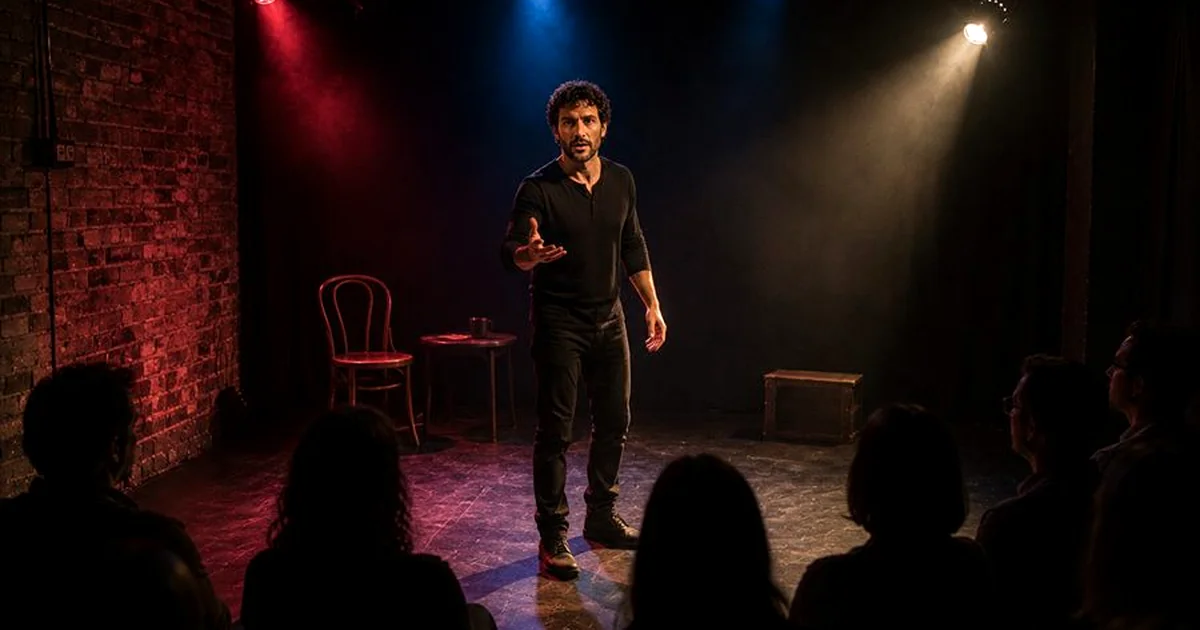
Spanish alternative theatre is one of the most vibrant and formative ecosystems in the entire entertainment industry. Far from the commercial circuit and the large subsidised playhouses, there is a network of small venues, independent festivals and emerging companies that works as the true laboratory of national theatre. For many actors —and also for quite a few directors and playwrights who today sign top-tier productions— alternative venues were the first real school after drama school.
In this article we map out that circuit, explain how it works, what opportunities it offers and how you can take advantage of it to build a solid career from the ground up.
What alternative theatre is and why it matters
The term "alternative theatre" does not denote a specific artistic style —it can span from the most rigorous text-based theatre to experimental performance— but rather a model of production and distribution. Alternative venues are characterised by small capacities (usually between 50 and 200 seats), tight budgets, greater artistic freedom and a much more direct relationship with the audience.
In Spain, this circuit has historically been the space where playwrights who are now national references premiered their work, where companies that later filled the Teatro Valle-Inclán or the Lliure were formed, and where unknown actors caught the attention of casting directors thanks to a performance seen by forty people in a venue in Lavapiés. The closeness between stage and seat turns every performance into a live audition before the industry.
The most important venues in Madrid
Madrid concentrates the highest density of alternative venues in the country. These are the most influential for actors seeking visibility:
Cuarta Pared
One of the benchmark venues for research theatre in Madrid. They programme contemporary author-driven theatre with demanding artistic criteria. They run a laboratory and residency programme that allows emerging companies to develop projects with technical support. Submitting your project to their residency call can be a turning point.
La Nave Nodriza and similar spaces
The fabric of rehearsal spaces and small-scale programming in neighbourhoods such as Lavapiés, Malasaña or Carabanchel is extensive and ever-changing. Many operate under collective or community management models, and some have programmed shows that ended up on the national circuit. Keeping an eye on the calls from these spaces —often spread only through social media and the profession's mailing lists— is part of the job.
El Timbre and other mixed-format spaces
There are venues that combine theatre programming with cabaret activity, live music and cultural events. These spaces, although less "pure" from a theatrical point of view, offer opportunities for short formats, staged readings and open-door sessions that allow you to show work in progress.
La Joven Compañía and the Red de Teatros Alternativos
The Red de Teatros Alternativos (RTA) brings together dozens of venues across Spain and publishes regular programming calls. Keeping up with their communications —through their website and newsletter— is essential for any actor or company looking to work on this circuit.
The alternative circuit in Barcelona
Barcelona has its own alternative ecosystem, with its own benchmark venues and a particularly strong connection to international festivals.
Tantarantana
A benchmark venue for small-format theatre in Barcelona. With demanding programming and a long track record, it is one of the spaces where industry professionals go to watch theatre when they want to find interesting work. Premiering at Tantarantana carries weight on a CV.
El Maldà
Located in the heart of the Gothic Quarter, El Maldà is one of the smallest and most historic theatres in Barcelona. Its programme includes both established companies and emerging proposals, and its intimate atmosphere makes every performance an especially close experience. The venue also has a significant presence on social media and regular critical coverage.
Beyond these benchmark venues, Barcelona has a network of spaces such as the Antic Teatre, the Sala Beckett —a centre for dramatic creation with programming and residencies— or the Teatre de Sant Gervasi, each with its own identity and its own audience.
Networking tip: Performances at alternative venues are also industry events. Stay for the post-show talk when there is one, speak to the team afterwards, get to know the technicians and programmers. The Spanish theatre industry is small; the relationships you build in a hundred-seat venue can lead you to much bigger projects.
Fringe festivals and showcases: concentrated visibility
Let casting directors find you
Your talent needs visibility. Create your professional profile on Arga Studios and appear in the searches of those who hire. Free until October 2026.
Create my free profile →Independent performing arts festivals are the moments of maximum concentration of visibility for alternative theatre. In just a few days, programmers, critics, agents and other artists come together to watch shows. Presenting a piece at a relevant fringe festival can generate more contacts than months of ordinary programming.
Some of the most relevant in the Spanish context:
- Surge Madrid: A festival of emerging performing arts that programmes shows by young companies in various venues across the city. The call is competitive, but being selected grants real visibility before national programmers.
- TNT Festival (Terrassa): A festival of object theatre, physical theatre and new dramaturgies that attracts programmers from all over Europe. Ideal for proposals with an unconventional language.
- Festival de Otoño of the Community of Madrid: Although not strictly "alternative", it programmes avant-garde national and international companies and offers institutional visibility.
- FiraTàrrega: One of the most important performing arts fairs in southern Europe. Mainly for street theatre and unconventional spaces, but with an enormous capacity to generate international tours.
- Showcases and theatre weeks: Many mid-sized cities have annual showcases of local and regional theatre that, while less visible, are entry points to the provincial and regional circuit.
How to create your own production and access the circuit
One reality of alternative theatre in Spain is that many actors, especially at the start of their careers, do not wait for companies to call them: they create their own projects. This route —more demanding and risky— also offers creative control and a visibility that is hard to achieve when hired for a supporting role.
Basic steps to create an independent production
- Choose a text or develop a dramaturgical proposal that you can produce with limited resources. The best alternative-venue productions tend to be those that turn budget constraints into a coherent aesthetic choice.
- Form a committed team. A director, a basic lighting designer and one or two more actors are often enough for a small-venue show. Each team member's commitment to the project matters more than their credits.
- Submit the project to residency calls. Many alternative venues offer creation residencies with access to free or low-cost rehearsal space in exchange for a minimum number of performances in their programming.
- Calculate real costs including copyright if the text is not in the public domain, costumes, basic lighting, graphic design and communication. The minimum budget for an alternative-venue production in Spain usually ranges between 3,000 and 8,000 euros, although it can be done for less with a lot of creative management.
- Promote the show to critics, programmers and other industry professionals with enough notice for them to attend. A good photograph, a clear press kit and a short trailer are essential.
The domino effect of alternative theatre: Several of the most visible actors in Spanish film and theatre in recent years —names that today appear in Netflix productions or at the Teatro Nacional— got their start by creating small productions in alternative venues. Visibility is not immediate, but it is cumulative. A show seen by the right programmers can generate a two-year tour.
Grants and aid for independent production
The Spanish public sector partially funds independent theatrical creation through various mechanisms. Knowing them and knowing how to apply can be the difference between a project happening or not.
INAEM grants
The Instituto Nacional de las Artes Escénicas y de la Música holds annual calls for grants for production, touring and dramatic creation. The assessment criteria include the company's track record, the project's feasibility and its artistic interest. The call is usually published in the first quarter of the year in the BOE.
Regional and municipal aid
The Community of Madrid, the Generalitat de Catalunya, the Junta de Andalucía and other autonomous communities have their own funding lines. The Ajuntament de Barcelona and the Madrid City Council also have programmes to support creation. Deadlines and requirements vary; it is advisable to subscribe to each body's newsletters.
Co-production models with venues
Some alternative venues not only programme but also co-produce: they contribute space, technical resources or a small amount of money in exchange for programming rights. This formula reduces the financial risk for the actor-producer and gives the project the endorsement of a venue with a track record.
Make yourself visible in the industry
Create your profile on Arga Studios and connect with producers, directors and professionals in the Spanish theatre sector.
Create my free profile →